
In this article, we will understand what El Niño is, how it works, its global impact, and what the latest El Niño forecast means for people around the world.
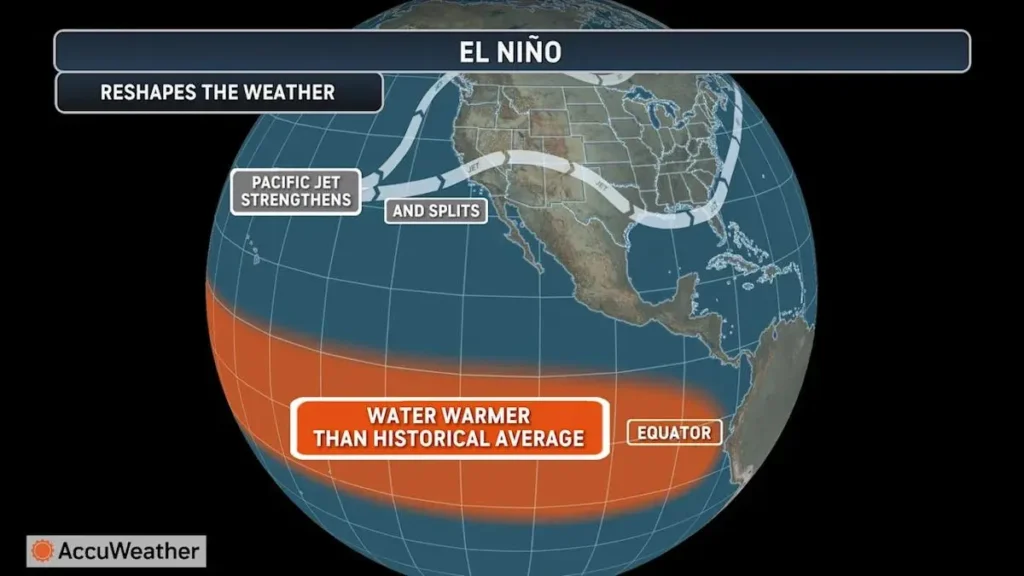
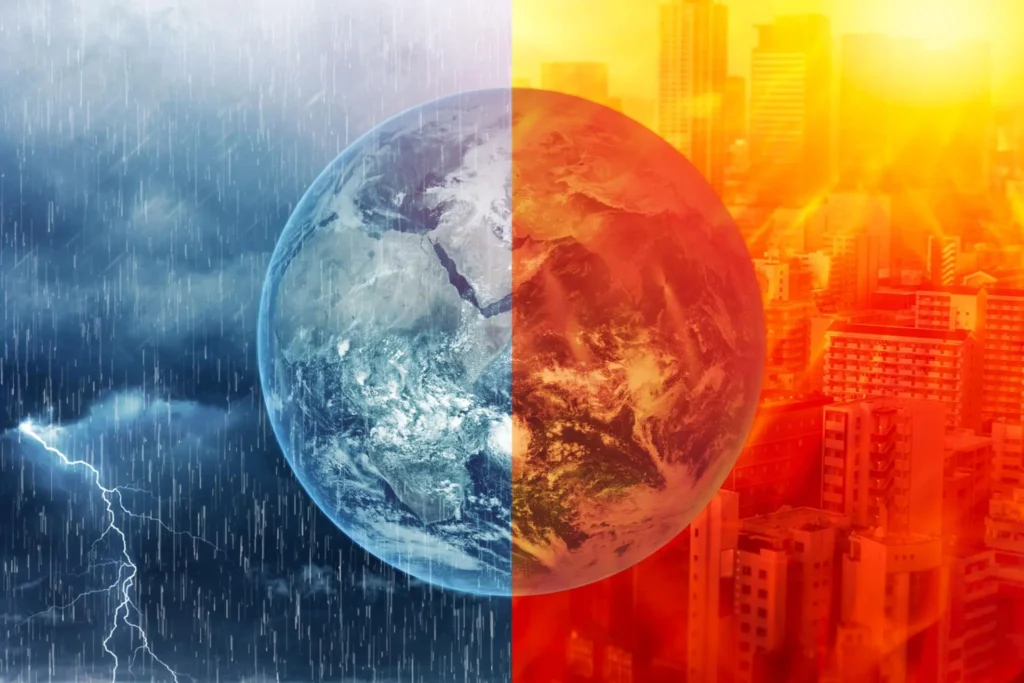
Weather around the world is changing faster than ever. Some countries face extreme heat, while others experience heavy rain, floods, or droughts. One major reason behind these unusual climate changes is a weather pattern called El Niño.
Scientists and weather experts closely watch this because it can affect temperatures, rainfall, farming, oceans, and even the global economy.
What is El Niño
This is a natural climate pattern that happens when the surface water in the central and eastern Pacific Ocean becomes warmer than normal.
This warming changes air pressure and wind patterns across the world. As a result, many countries experience unusual weather conditions.
This is usually appears every 2 to 7 years and can last for several months.
Why is El Niño Important?
This is important because it affects weather globally. It can change:
- Rainfall patterns
- Temperature levels
- Storm activity
- Crop production
- Water supply
- Ocean ecosystems
Even though starts in the Pacific Ocean, its effects can be felt in countries thousands of kilometers away.
How Does El Niño Work?
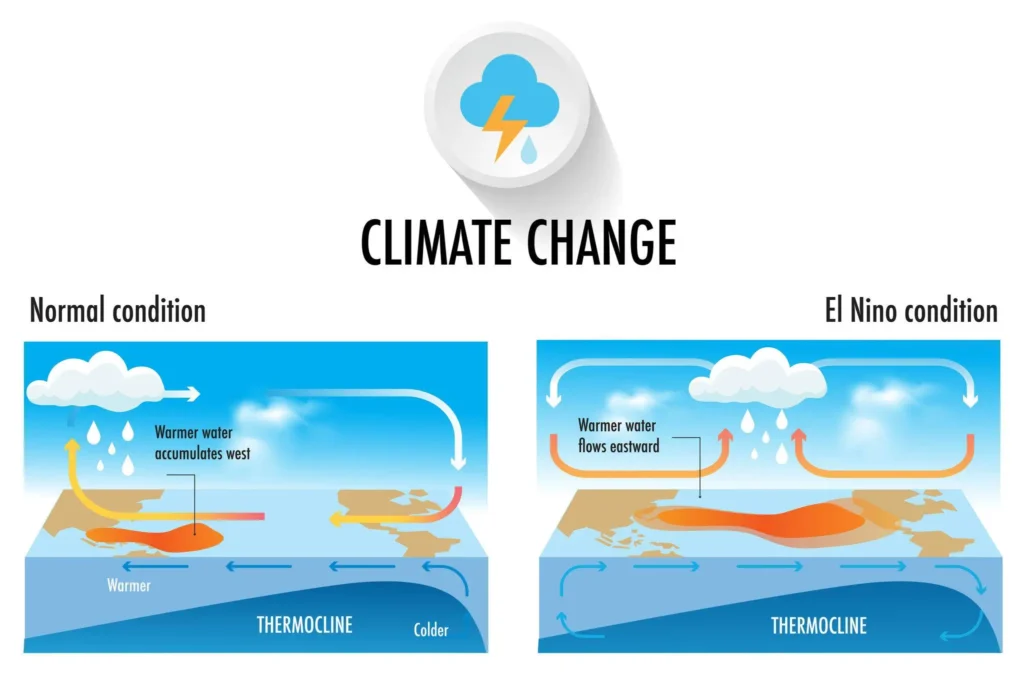
Normally, strong winds push warm ocean water toward Asia and Australia. During this, these winds become weaker.
This causes warm water to move toward the western coast of South America. The warmer ocean changes cloud formation, rainfall, and global wind systems.
Scientists study ocean temperatures and air pressure to predict this events.
El Niño Forecast for 2026
According to climate experts, global temperatures may remain higher than normal due to changing climate conditions and possible its influence.
Some forecasts suggest:
- Increased heatwaves in many countries
- Higher chances of drought in some regions
- Heavy rainfall and flooding in others
- Stronger climate instability worldwide
Weather patterns may continue changing as oceans become warmer because of climate change.
Global Impact of El Niño
1. Extreme Heatwaves
Many countries experience hotter temperatures during El Niño years.
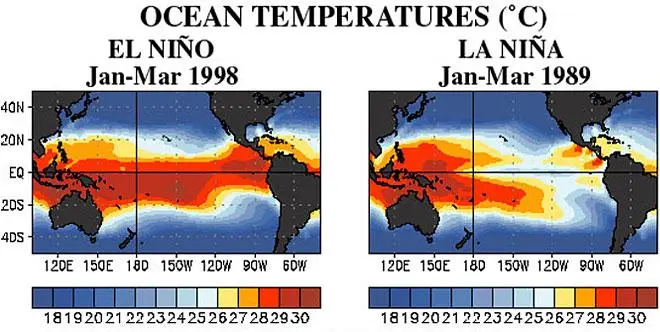
Regions like:
- India
- Southeast Asia
- Parts of Africa
- Australia
can face intense summer heat.
Heatwaves may increase health risks, especially for children and older people.
2. Heavy Rainfall and Floods
Some countries receive much more rain than usual.
Heavy rainfall can cause:
- Floods
- Landslides
- Road damage
- Waterlogging in cities
Countries in South America and some parts of North America often experience wetter conditions during this.
3. Drought Conditions
While some regions get extra rain, others become very dry.
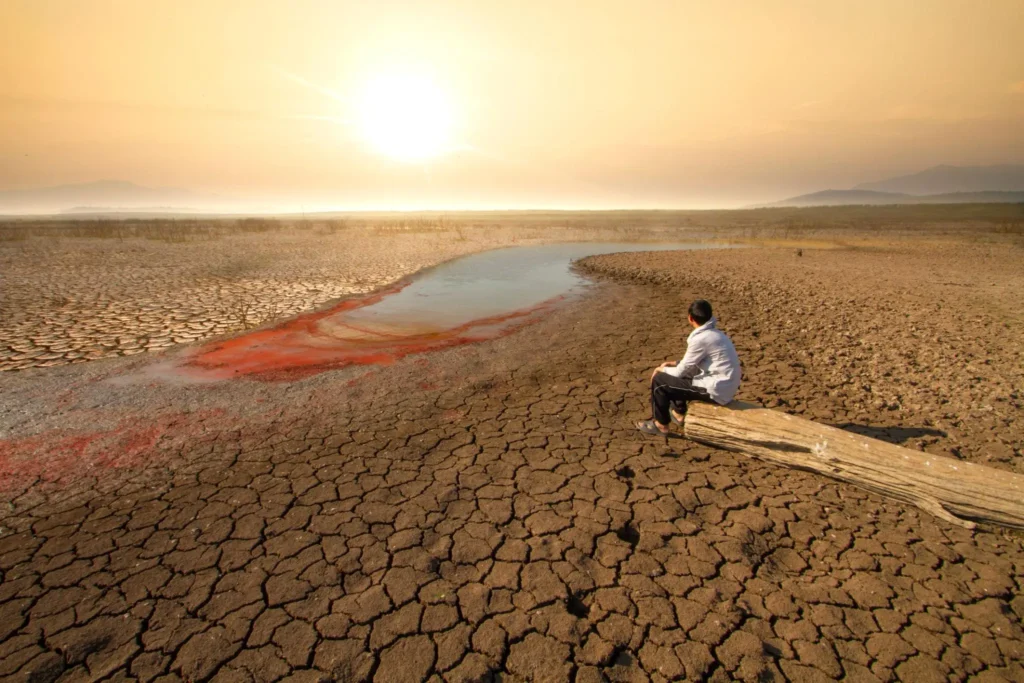
Droughts can:
- Reduce water supply
- Damage crops
- Increase forest fire risks
- Affect food production
Farmers are often among the most affected groups during strong El Niño years.
El Niño and India
India is highly affected by this because it influences the monsoon season.
A weak monsoon can lead to:
- Water shortages
- Reduced crop production
- Higher food prices
- Increased heatwaves
Indian farmers closely follow weather forecasts during El Niño years.
Impact on Agriculture
Agriculture depends heavily on rainfall and stable temperatures.
This can affect:
- Rice production
- Wheat farming
- Vegetable supply
- Fruit cultivation
When crops fail because of drought or floods, food prices often increase globally.
Impact on Oceans and Marine Life
Warmer ocean temperatures also affect marine ecosystems.
Fish populations may move to cooler waters, affecting fishing industries. Coral reefs can also suffer from coral bleaching because of high ocean temperatures.
This creates problems for:
- Fishermen
- Tourism industries
- Coastal communities
El Niño and Climate Change
Many people confuse with climate change, but they are different.
El Niño
- A natural weather pattern
- Temporary climate event
- Happens every few years
Climate Change
- Long-term warming of Earth
- Mainly caused by human activities
- Increasing greenhouse gases
However, climate change can make this effects stronger and more dangerous.
How Scientists Predict El Niño
Weather experts use:
- Satellites
- Ocean sensors
- Climate models
- Air pressure data
to study Pacific Ocean temperatures and predict future weather patterns.
Modern technology has improved weather forecasting, but exact predictions are still difficult because climate systems are very complex.
Countries Most Affected by El Niño
Some countries are more sensitive to El Niño events, including:
| Region | Possible Impact |
|---|---|
| India | Weak monsoon, heatwaves |
| Australia | Drought, wildfires |
| Peru | Heavy rainfall, floods |
| Indonesia | Dry weather |
| USA | Storms and rainfall changes |
| Africa | Drought in some regions |
The effects are different in every country.
Can El Niño Affect Daily Life?
Yes, El Niño can impact normal life in many ways.
People may notice:
- Higher electricity bills due to heat
- Water shortages
- Expensive food prices
- Travel disruptions
- Health problems from extreme weather
Governments and disaster management teams prepare early when strong El Niño conditions are expected.
How to Stay Safe During Extreme Weather
Here are some simple safety tips during extreme climate conditions:
During Heatwaves
- Drink enough water
- Avoid direct sunlight
- Wear light clothes
During Floods
- Stay away from flooded roads
- Follow weather alerts
- Keep emergency supplies ready
During Drought
- Save water
- Avoid wasting electricity
- Support water conservation
Small precautions can protect people during severe weather.
The Future of Global Weather
Scientists believe extreme weather events may become more common in the future because of rising global temperatures.
This means countries must:
- Improve climate planning
- Protect natural resources
- Reduce pollution
- Invest in renewable energy
Understanding climate systems like El Niño helps people prepare better for future weather changes.
Final Thoughts
El Niño is one of the most powerful climate patterns in the world. Even though it begins in the Pacific Ocean, its effects can reach almost every continent.
From heatwaves and floods to droughts and food shortages, El Niño influences daily life, farming, economies, and global weather systems.
As climate change continues, understanding El Niño forecasts becomes even more important. Governments, scientists, and ordinary people all need to stay informed and prepared for changing weather conditions.
By learning about climate patterns early, the world can reduce risks and protect communities from extreme weather events.